The Battery in Your Driveway: When Your EV Powers More Than Your Commute.
By Guest Blogger Frank von Holzhausen
Most people think about an electric vehicle in terms of transportation: How far can it go? How long does it take to charge? How much does electricity cost compared with gasoline?
But there’s another part of the EV story that’s becoming increasingly important.
That very large battery sitting in your driveway can potentially help power your home. Welcome to vehicle-to-home, or V2H—technology that allows energy stored in an EV battery to flow back into a home when it’s needed. And it could fundamentally change the way we think about both electric vehicles and home energy.
Your Car Is Also a Really Big Battery.
An EV spends a surprising amount of its life parked. But that doesn’t mean its battery has to sit idle.
With the right vehicle, equipment and electrical configuration, an EV can become a mobile energy-storage system, storing electricity when it’s available and supplying it back to the home during an outage.
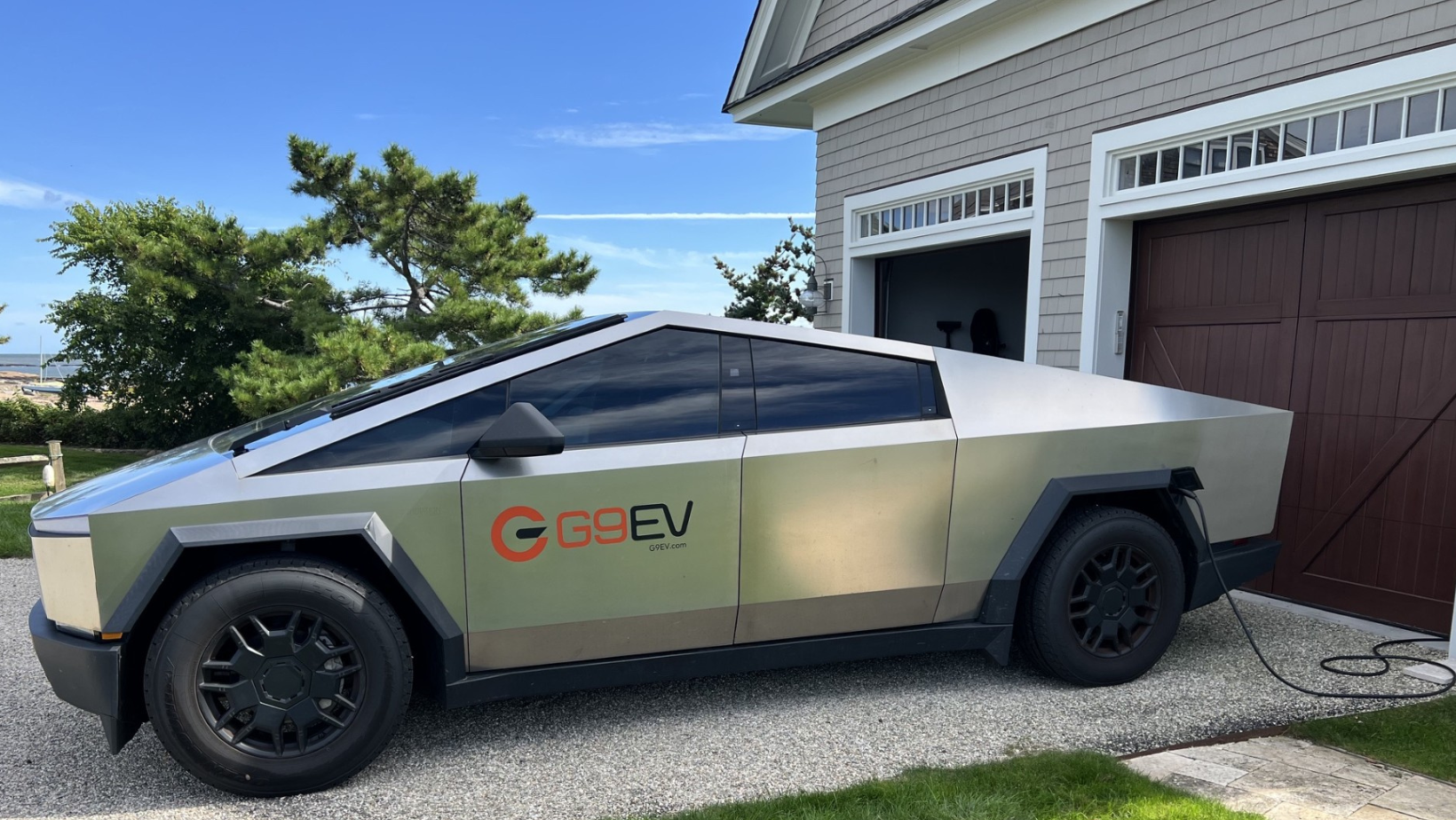
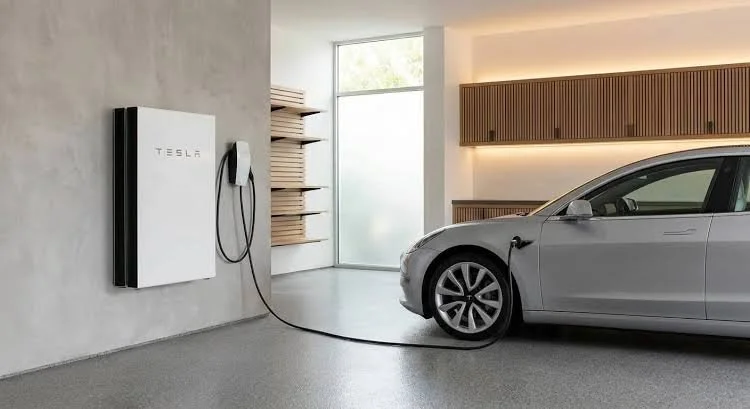
Consider the Tesla Cybertruck. According to Tesla, its 123-kWh battery can provide up to 11.5 kW of continuous power through its Powershare technology. For perspective, a Tesla Powerwall has 13.5 kWh of energy capacity. That means the Cybertruck is essentially sitting in the driveway with roughly nine Powerwalls’ worth of stored energy. That’s a lot more than transportation.
When the Power Goes Out, Your EV Steps In.
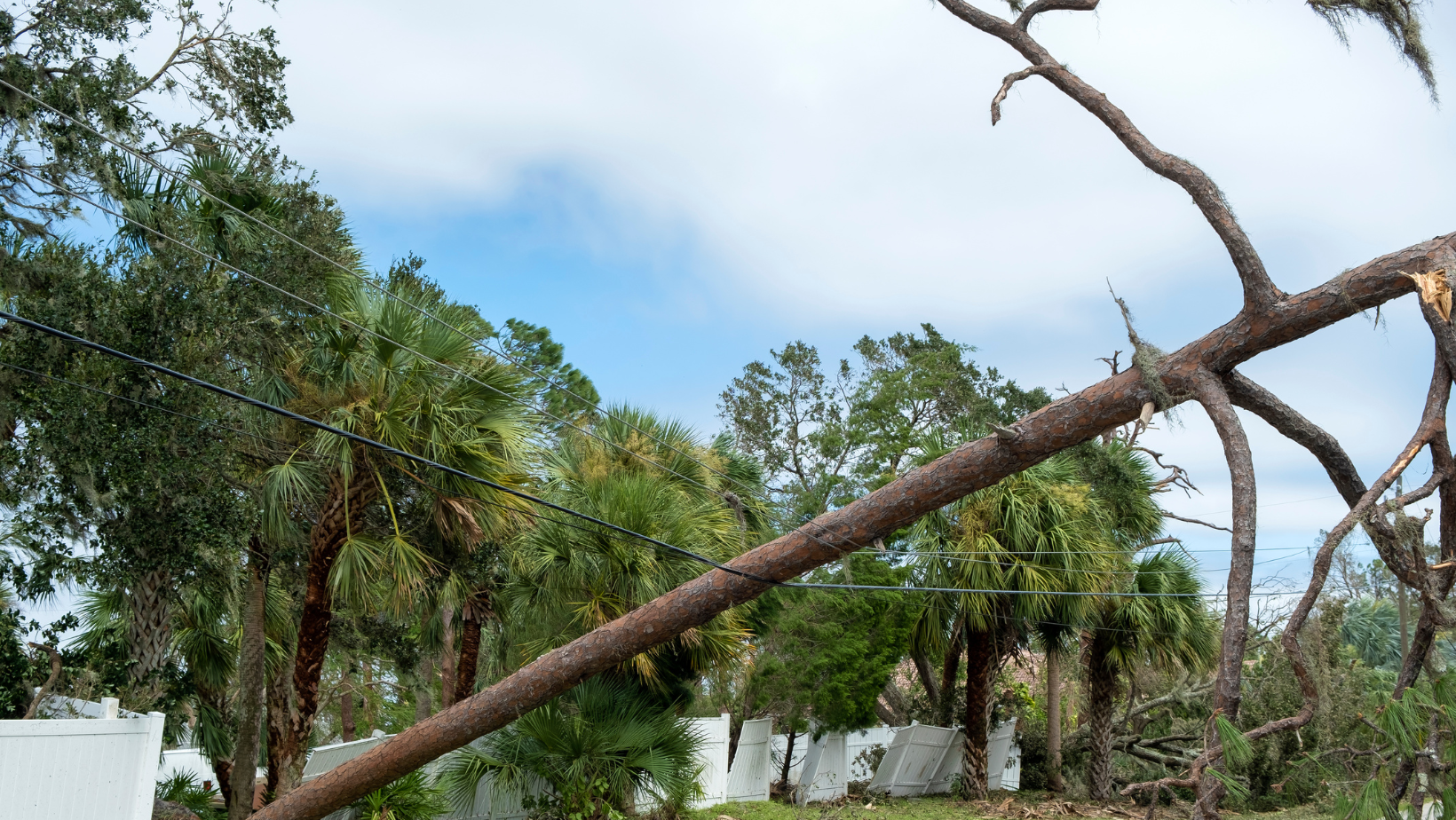
Imagine a major storm knocks out electricity for three days. Traditionally, homeowners who want backup power might turn to a gasoline or natural-gas generator or install dedicated stationary battery storage.
But a properly equipped EV creates another possibility.
With Powershare Home Backup, for example, Tesla says the Cybertruck can provide backup power to a home for three days or more, depending on household energy consumption.
During an outage, homeowners can manage how that stored energy is used—keeping essential appliances, lights and other systems running while reducing unnecessary consumption to extend available backup power.
No trips to find gasoline. No separate battery sitting unused most of the year. The backup power source was already parked in the driveway.
One Battery. Two Jobs.
That may be the most compelling promise of V2H: the battery you already own can do more than move your car.
Most days, it gets you where you need to go. When the power goes out, that same battery can help keep your home running. And when the grid comes back? It goes right back to getting you down the road.
As EV batteries grow larger and bidirectional charging becomes more widely available, the line between transportation and energy will continue to blur. The EV in your driveway could become one of the largest—and most valuable—energy assets you own.
And backup power may be just the beginning. As vehicles, homes, chargers, renewable energy and the grid become more connected, EVs have the potential to play a much bigger role in how we store, manage and use electricity.
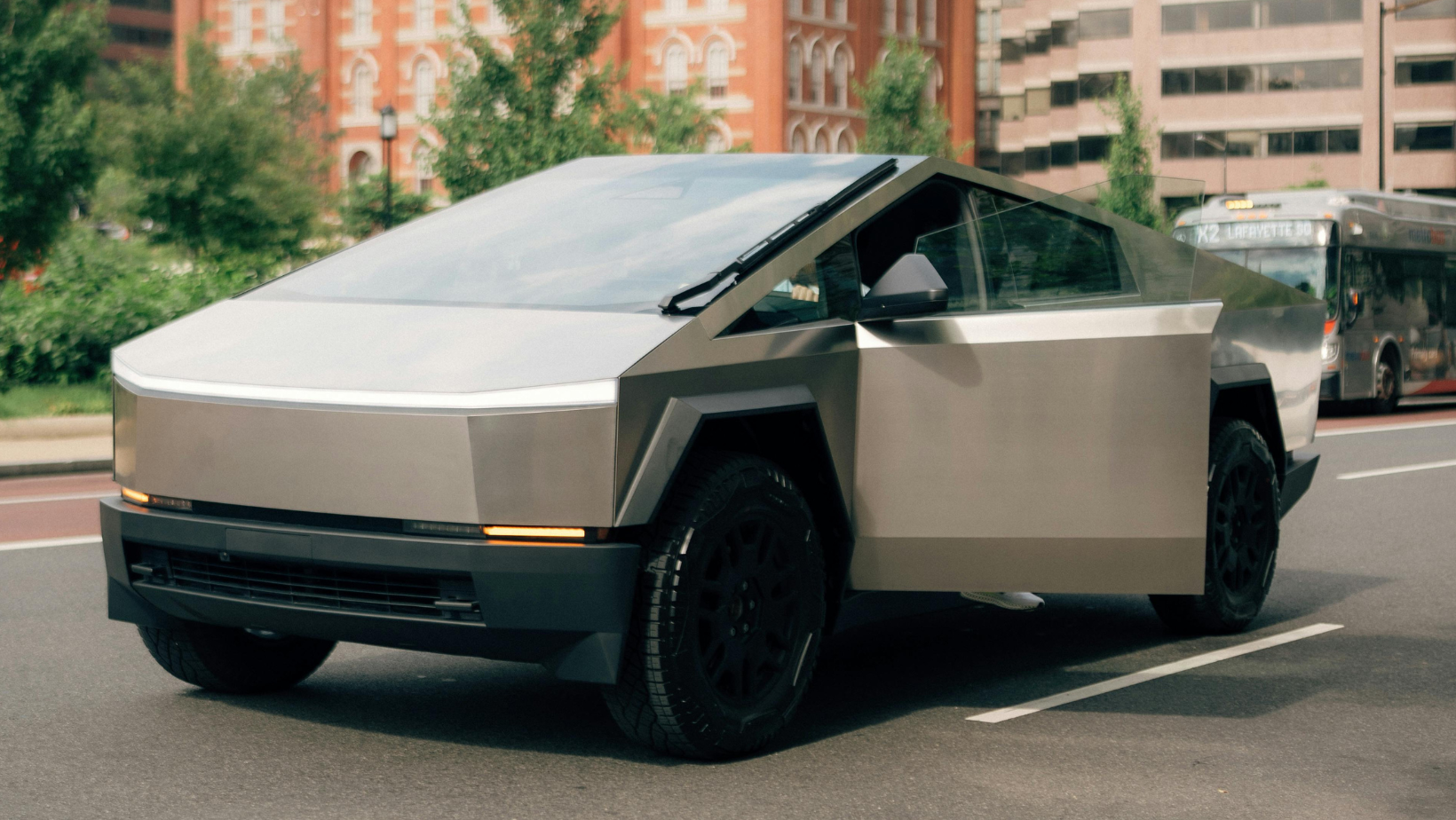
Your EV may spend most of its time parked. That doesn’t mean its battery has to. Today, it gets you where you’re going. Tomorrow, it could help keep the lights on.
The future isn’t just electric transportation. It’s transportation and energy working together.
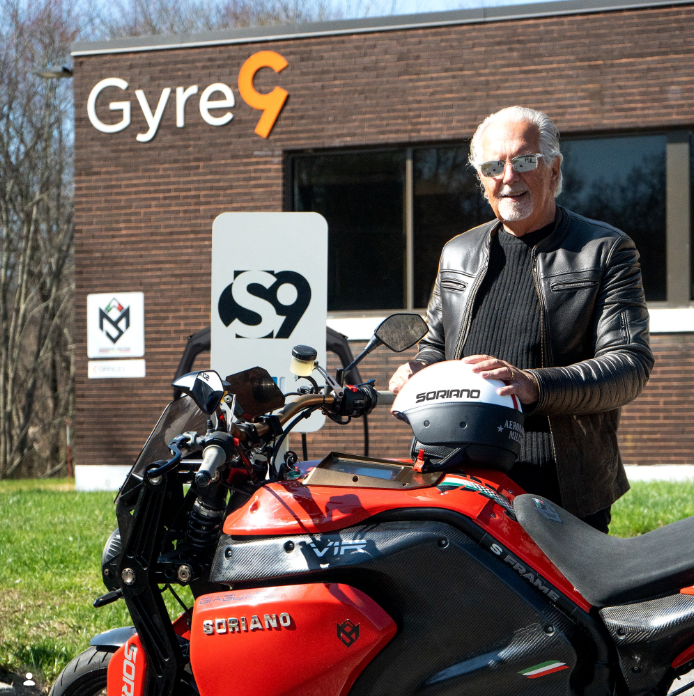
About Frank von Holzhausen
Frank von Holzhausen is Chairman of G9EV and a longtime advocate for electric transportation and emerging energy technologies. His passion for innovation and practical solutions helps guide G9EV as EV charging evolves from standalone infrastructure into an increasingly connected part of our transportation and energy ecosystem.
About G9EV
G9EV is a U.S. manufacturer of commercial EV charging solutions designed for reliability, flexibility and real-world performance. The company develops charging technology for a range of commercial and public applications, helping organizations build EV infrastructure that meets today’s needs while preparing for the rapidly evolving future of electric transportation.