Ivy, Brick… and Where Are the Plugs?
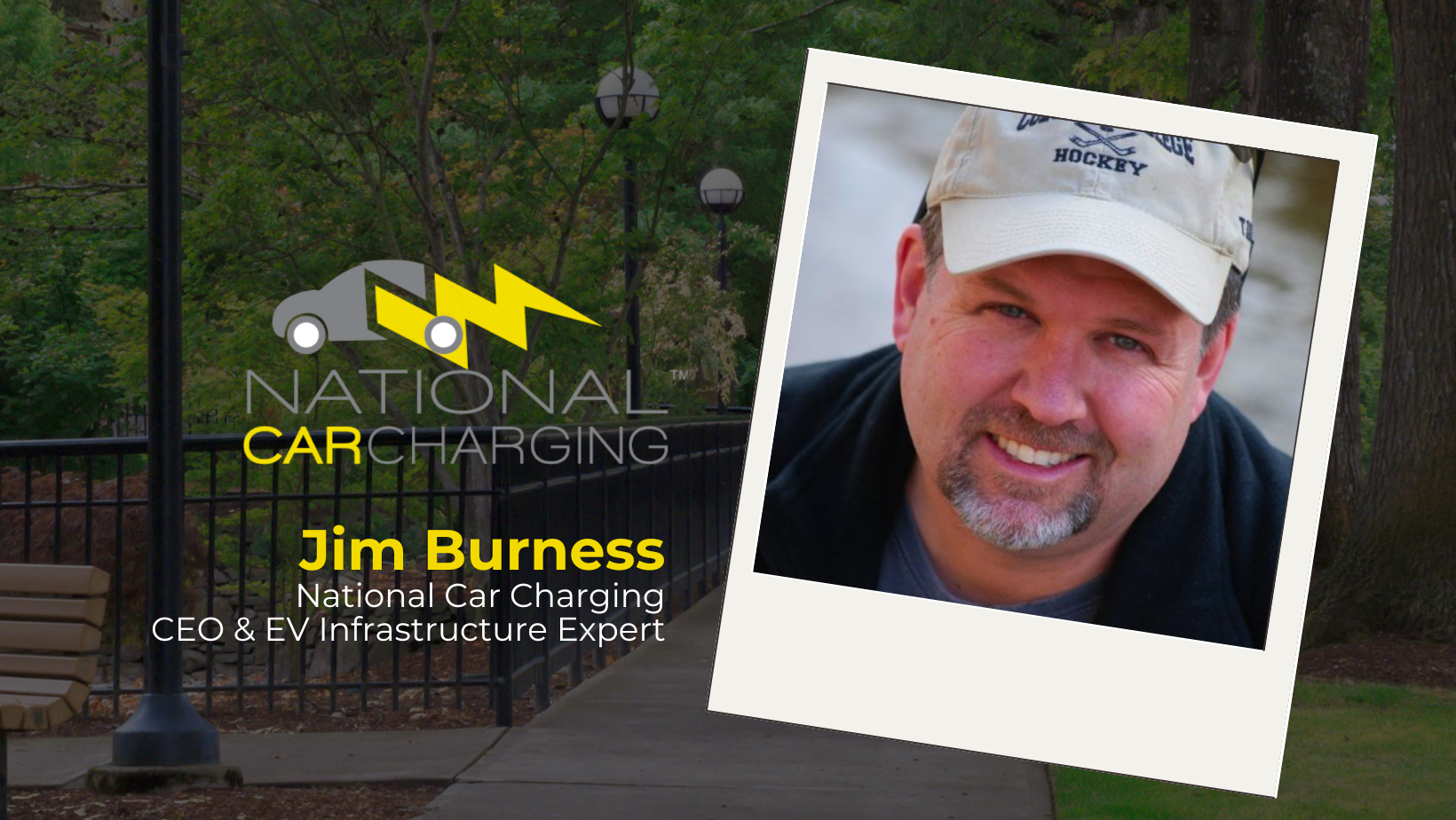
NCC’s Jim Burness on the Missing Link in Campus Sustainability.
When National Car Charging CEO Jim Burness set out on a East Coast college tour with his 17-year-old, he had two goals: get a feel for potential schools… and, being the EV guy he is, casually scope out the campus charging scene.
What he expected? A charming mix of ivy-covered buildings and well-placed charging stations.
What he found? Plenty of ivy. Chargers? Not so much.
We caught up with Jim to hear what surprised him most—and why he thinks campuses have a golden opportunity to electrify, not just for the planet, but for their students, their sustainability reputation, and, let’s be honest, their bottom line.
Q: How did EV charging even come into play on a college visit with your daughter?
Jim: (laughs) When your dad’s been in the EV industry as long as I have, it just sort of… happens.
We were visiting big-name, beautiful campuses, and while she was thinking about majors and dorm life, I was scanning parking lots for chargers. It became this running joke: “Nice quad… but where’s the charging?”
Q: And what did you see?
Jim: Honestly? It felt like stepping into a time warp.
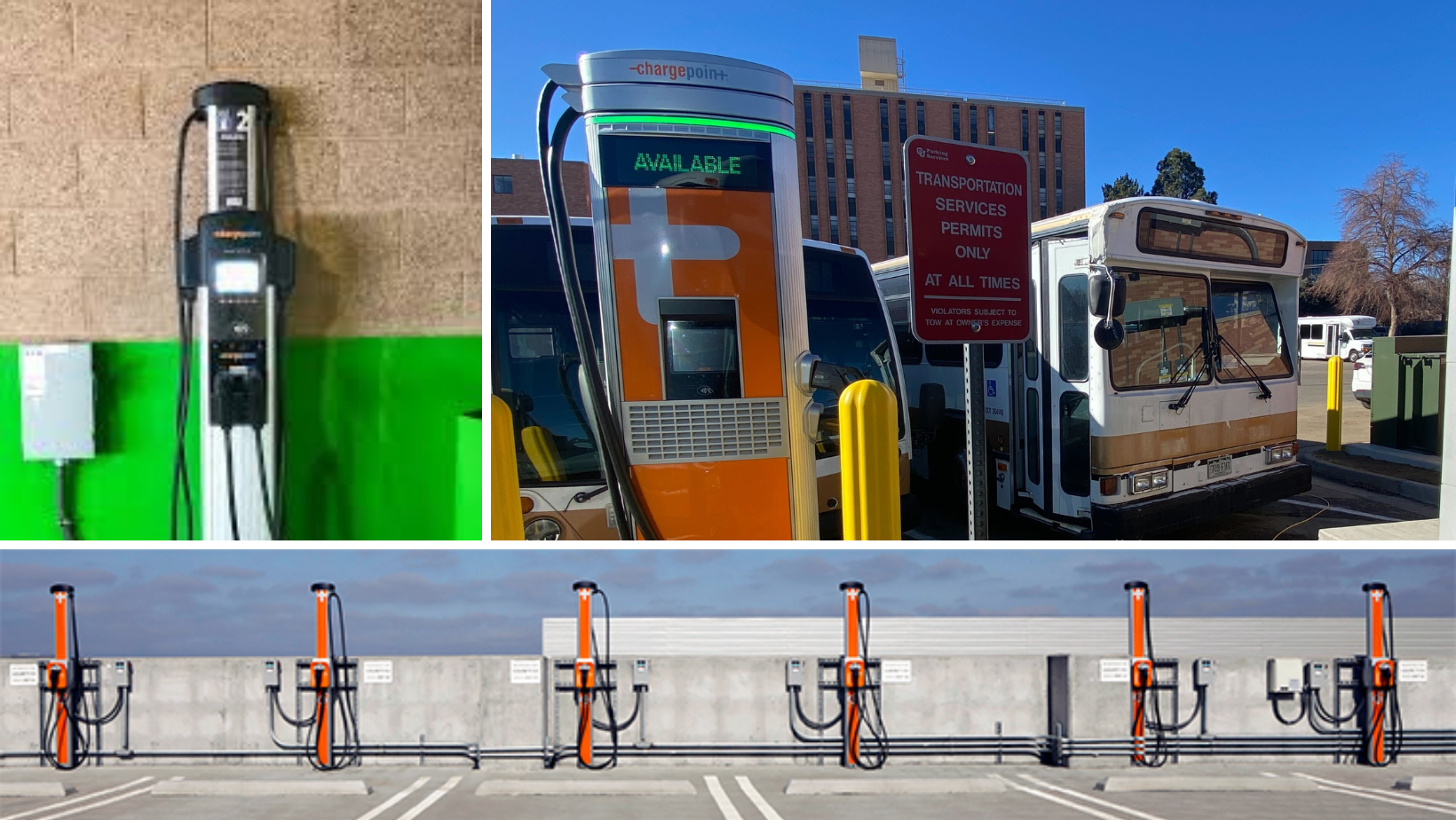
At NCC, we’ve helped electrify dozens and dozens of campuses nationwide—everything from UC Boulder’s buses to University of Pittsburgh’s parking garages. So I know what “all-in” on clean transportation looks like.
But on this trip? Football-field-sized parking lots with nothing. Or worse—one lonely charger shoved in a back corner like it was in witness protection.
These are schools that pride themselves on innovation and in many ways they are. However, they should also be leading the charge—literally—on sustainability. Instead, their EV infrastructure was MIA. In a moment when climate action needs to be bold and visible, hiding a charger behind a dumpster isn’t just underwhelming—it’s a missed opportunity to show you mean business.
Q: Why haven’t campuses caught up yet?
Jim: Partly timing—EV adoption is skyrocketing (we’re well past 6 million EVs in the U.S.), but infrastructure doesn’t appear overnight. The bigger issue? Mindset. Too many leaders are in “wait and see” mode—planning to build chargers once there are more EVs on campus. That’s backwards.
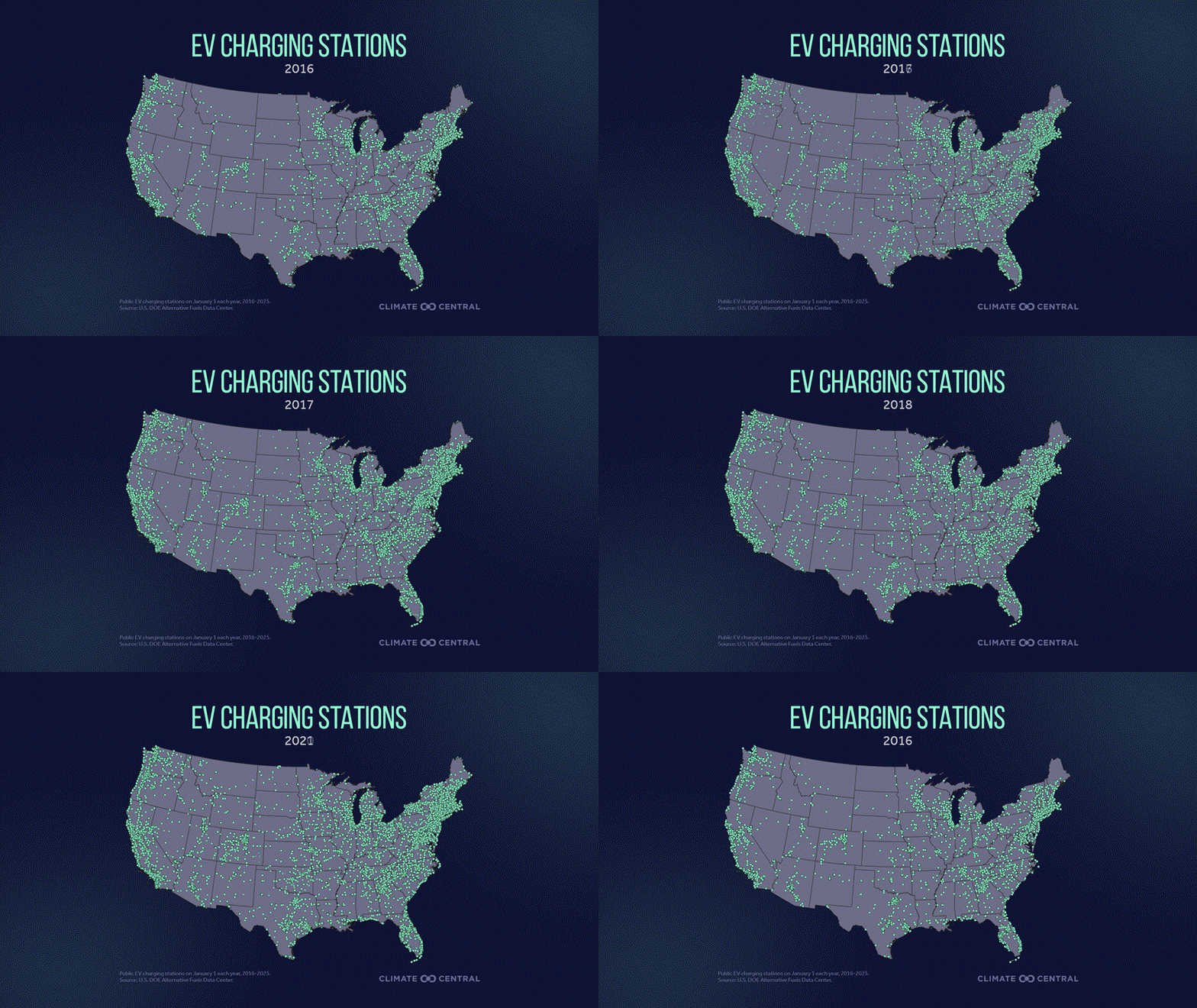
If you want students, faculty, and staff to choose electric, you have to roll out the welcome mat first. Make charging easy. Make it visible. Nothing says “we’re ready for the future” like a row of chargers front and center. Nothing kills momentum faster than making drivers play hide-and-seek with the only plug on campus.
Q: Beyond sustainability, what’s at stake?
Jim: Two big things: environmental leadership and student appeal. Transportation is still the #1 source of greenhouse gas emissions in the U.S., so every electric mile matters to our up and coming generations. But here’s the thing—today’s students aren’t just reading about climate action, they’re looking for schools that live it.
If you’re a high school senior and one campus greets you with shiny EV chargers while another has zip? That’s not just a difference—it’s a statement. And kids like mine? More than half of her friends are learning to drive in EVs or already have one. This isn’t “someday.” It’s now.
Q: How can campuses start without making it a giant project?
Jim: Adding EV charging on campus may be easier than you think — especially when you have the right partner and a cooperative contract already doing some of the heavy lifting.
That is where E&I Cooperative Services and National Car Charging come in.
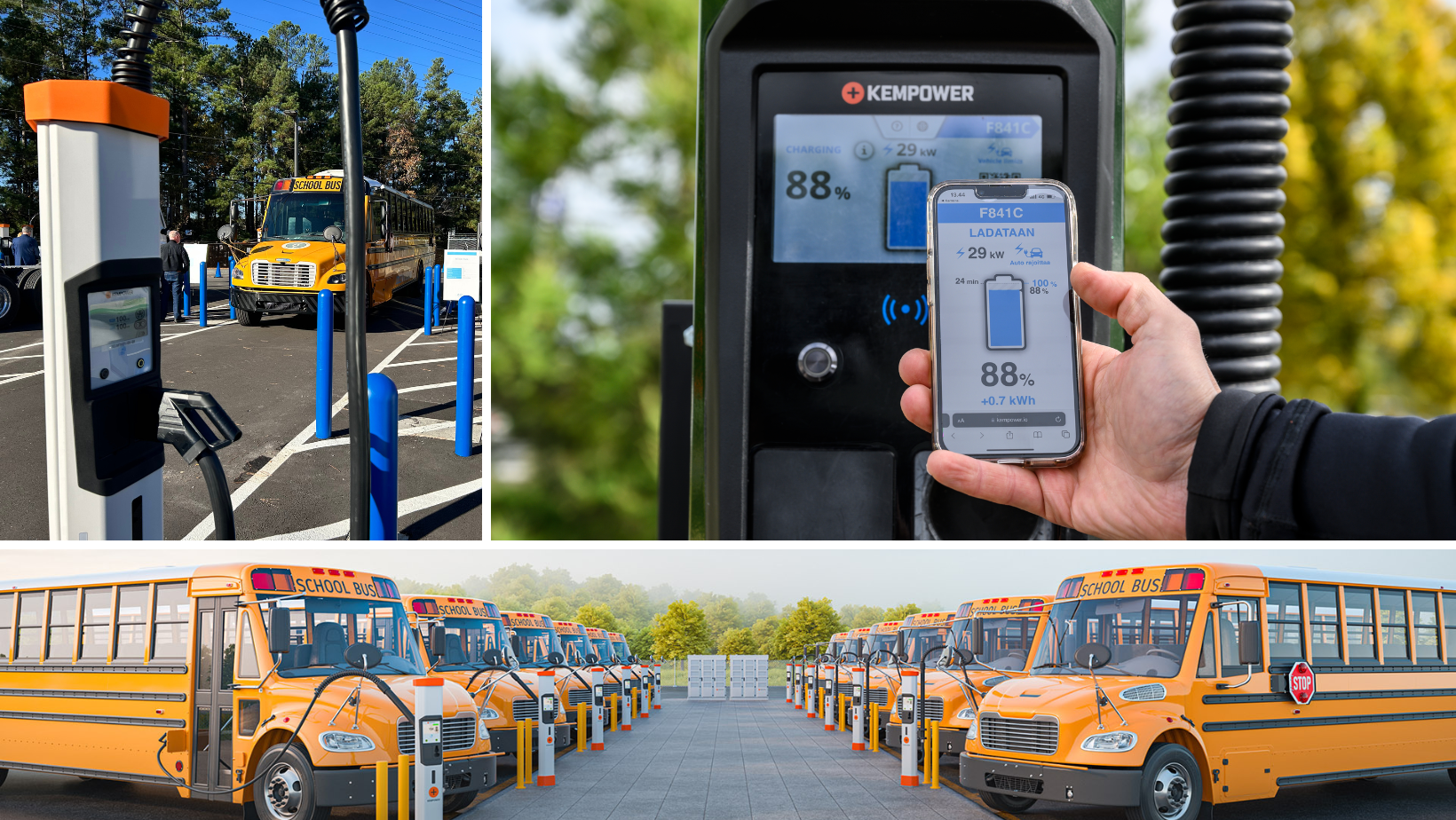
E&I is the only member-owned cooperative focused exclusively on education, with more than 85 years of experience helping schools simplify purchasing. As E&I’s go-to EVSE partner, NCC helps educational institutions skip the long, expensive RFP process and move straight to pre-negotiated, competitive pricing from trusted EV charging brands like ChargePoint, Kempower, FractalEV, Tritium, and more.
Because the E&I contract is built specifically for education, compliance has also been thoughtfully addressed, helping procurement teams move forward with greater confidence.
It is a faster, more cost-effective, and much less painful path to EV charging. Plus, E&I members may receive an annual patronage refund based on their engagement with the cooperative, which means even more value can go back into school budgets.
So if you work in transportation, facilities, maintenance, construction, parking, sustainability, or campus operations and are thinking about EV charging, start by checking with your procurement team. There is a good chance your school is already an E&I member — and NCC can help you take it from there.
Q: What’s your message to campus leaders on the fence?
Jim: If you’re waiting until your campus “needs” EV chargers, you’re already behind. This shift isn’t creeping in—it’s flying in. And it’s not just about a couple chargers in the faculty lot. The real jackpot is your fleet: shuttles, security cars, maintenance vans, facilities trucks—even those little landscaping carts buzzing across the quad. Every one of them could be electric.
EV fleets don’t just slash emissions, they slash costs. Charging an EV? Around $15. Filling a gas tank? $50-plus. EVs cost $900–$1,200 less per year to fuel and maintain, with no oil changes, no spark plugs, and brakes that last years thanks to regenerative braking. Multiply that across your fleet, and you’re looking at serious savings—money that stays on campus to fund programs and experiences instead of gas pumps and repair bays.
Q: What about the students?
Jim: Speak up! Administrations listen when students do. If you care about clean transportation, say something. And if you drive electric, show it off—give friends a ride, talk about how easy it is. Change starts with awareness.
And here’s the kicker—it’s not just about the planet. It’s about health too. According to the American Lung Association, regions with more EVs and clean power have cleaner air—and cleaner air means fewer cases of childhood asthma and respiratory illness. Imagine walking across campus breathing noticeably cleaner air because your school made the switch.
That’s fewer missed classes, healthier staff, and a better quality of life for everyone.
Q: Final thought for campus leaders?
Jim: Electrified transportation is one of the most important transitions we’ll make in our lifetime. No, it won’t happen overnight and that’s totally fine. The key is to start now. Build a step-by-step strategy that works for your campus. That’s what we do—help schools, school districts, colleges and universities make the right moves in the right order and connect them with the right resources.
Every charger you install, every vehicle you electrify, isn’t just an upgrade—it’s a statement. You’re leading, not following. You’re saying you care about the planet, but also the health, well-being, and daily experience of your students and staff.

Wrapping It Up.
For Jim, hose campus visits with his daughter weren’t just about dorms, majors, hockey teams and tours—they were a reality check. They showed Jim just how much open runway there is for campuses to plug into the future. The tech is here. The incentives are here. The benefits? Massive: cleaner air, less sound pollution, lower costs, healthier communities, and a huge advantage in attracting climate-conscious students.
Picture it: Sleek chargers front and center. Electric shuttles gliding silently. Maintenance carts zipping by without a puff of exhaust. The air fresher, the message unmistakable: This school gets it and wants to create a better future.
As Jim puts it: “Colleges are in the business of shaping the future. EV charging isn’t just part of that future—it’s your chance to show you’re out in front, leading it. And the schools that start now? They’re the ones everyone else will be chasing.”
To READ MORE insights & trends from Jim, click here.
About Jim Burness
Jim Burness is the CEO of National Car Charging (NCC), one of most experienced and most forward-thinking independent EV infrastructure solutions companies in the country.
NCC has been in this industry long enough to know what works and has never stopped anticipating what's next. As the EV landscape evolves, so does NCC: constantly advancing its thinking, its standards, and its solutions to meet clients where they are today and where they're headed tomorrow.
From deployment through the full life of the asset, NCC helps public agencies, fleet operators, facility managers, and property owners build charging networks built to perform — not just to open.