
So Many Ways for Public Entities to Save in California.
Powering California’s EV Future: Exclusive DC Fast Charging Contract Awarded!
National Car Charging (NCC) has secured a major statewide contract with the State of California through the Department of General Services (DGS), making it easier for public agencies to move from EV goals to EV reality.
This competitively awarded contract positions NCC as a trusted provider of non-networked DC fast charging infrastructure—giving state and local agencies, municipalities, higher education, and other eligible entities a streamlined, compliant path to procure high-performance fast chargers without the delays of a traditional RFP.
California continues to set the pace for fleet electrification and clean transportation. Meeting that momentum requires infrastructure that is reliable, scalable, and built for real-world fleet operations. NCC brings deep public-sector experience, a brand-agnostic approach, and end-to-end EV charging expertise to help agencies deploy solutions that work today—and scale for tomorrow.
What this means for your agency:
Simplified procurement through an approved statewide DGS contract
Proven DC fast charging solutions designed for fleet and operational use
Brand-agnostic expertise to ensure the right equipment for your application
End-to-end support from planning and installation to long-term service
This award reinforces NCC’s role as a reliable infrastructure partner for California’s public sector—and underscores our commitment to delivering EV charging that performs, complies, and lasts.
If your agency is ready to electrify or expand, NCC makes it easier to move forward—confidently and compliantly.
Non-networked DC fast charging: an opportunity to save public fleets (& taxpayers) millions.
We’re surrounded by smart things - smart phones, watches, homes, security systems - even my car reads my calendar and pre-programs directions into my GPS. We track our kids - their technology, their locations and the speeds they drive. And the EV charging world is no different. Charging software can be a powerful tool to manage access and drive revenue. So why in this era of hyper connectivity and data collection would we ever consider proposing something that wasn’t “smart”?
EV charging software has (many) benefits.
While we recommend and sell smart Level 2 and DC fast chargers all the time to our clients and are big advocates of the technology, there are certain use cases when it isn’t necessary and can be an avoidable extraneous expense.
Don’t get me wrong, charging management software can do some amazing things, especially when the stations are in ‘outside-of-the-fence’ or open to the public. It allows station owners to get real-time visibility into their users, the power usage, their energy costs, driver revenue and station status. Depending on whose software you chose, it can also increase efficiency, manage the electrical load (balancing out the energy demanded throughout the day) and share and distribute that load in a number of different ways depending on your use case and/or specific needs.
Many of the robust systems can even speak to your existing business systems with turnkey integrations to streamline data sharing across your organization - think building and energy management systems, consumer loyalty programs and so on.
‘Outside-of-the-fence’ vs. ‘behind-the-fence’ charging.
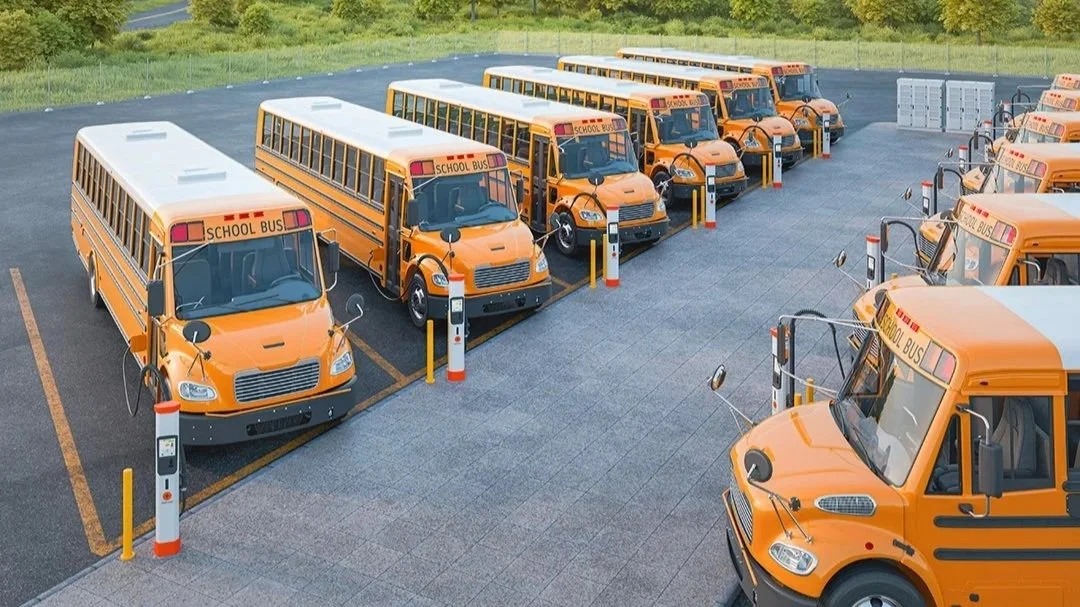
When it comes to 'behind-the-fence' charging applications, such as is the case with most state and city fleet chargers where they are not accessible to the public, fleet managers are quickly discovering charging software and their existing telematics are duplicating efforts.
What are telematics? It’s essentially a vehicle monitoring system that can be used on all types of vehicles regardless of fuel type. Simply, it’s the integration of telecommunications and informatics technologies which gather, transmit, and analyze data across multiple fleet vehicles. It enables live tracking, performance monitoring, and data-informed insights across an entire fleet that allow for better fleet management, operational efficiency, and increased safety. And it’s a tool that many fleets have already invested in.
Saving taxpayer dollars and other rewards.
When smart charging isn't needed because telematics are already providing the necessary data, it allows state and city governments, school districts and the like to take advantage of more affordable yet equally fast DC fast charging units and to do so without the added expense of additional software. To put this into perspective, depending on which DC fast charging system you're considering, this could be a savings of thousands of dollars per unit. Therefore, non-networked DC fast charging not only helps these entities save a significant amount of cash, it also helps them spend their budget more effectively and if needed, invest in more charging resources, installation or any of their many other needs above and beyond charging.

Increasing uptime.
There are other benefits too. With our U.S. charging infrastructure still in its infancy and a work-in-progress, broken or “down” stations are a real industry hot button. However, research shows at least 50% of all station downtime is related to communication and transmission issues. In other words, not having networked charging software can be viewed as an “uptime advantage” because simply there is less to go wrong.
“Uptime,” the duration during which an EV charging station remains operational and available for use, is a critical aspect to all fleet operations. Keeping school buses, police cars, street sweepers, garbage trucks and a wide range of other city and state vehicles on the roads is always job one and with non-networked stations you can dramatically reduce the risk of something going wrong.

California chooses Kempower.
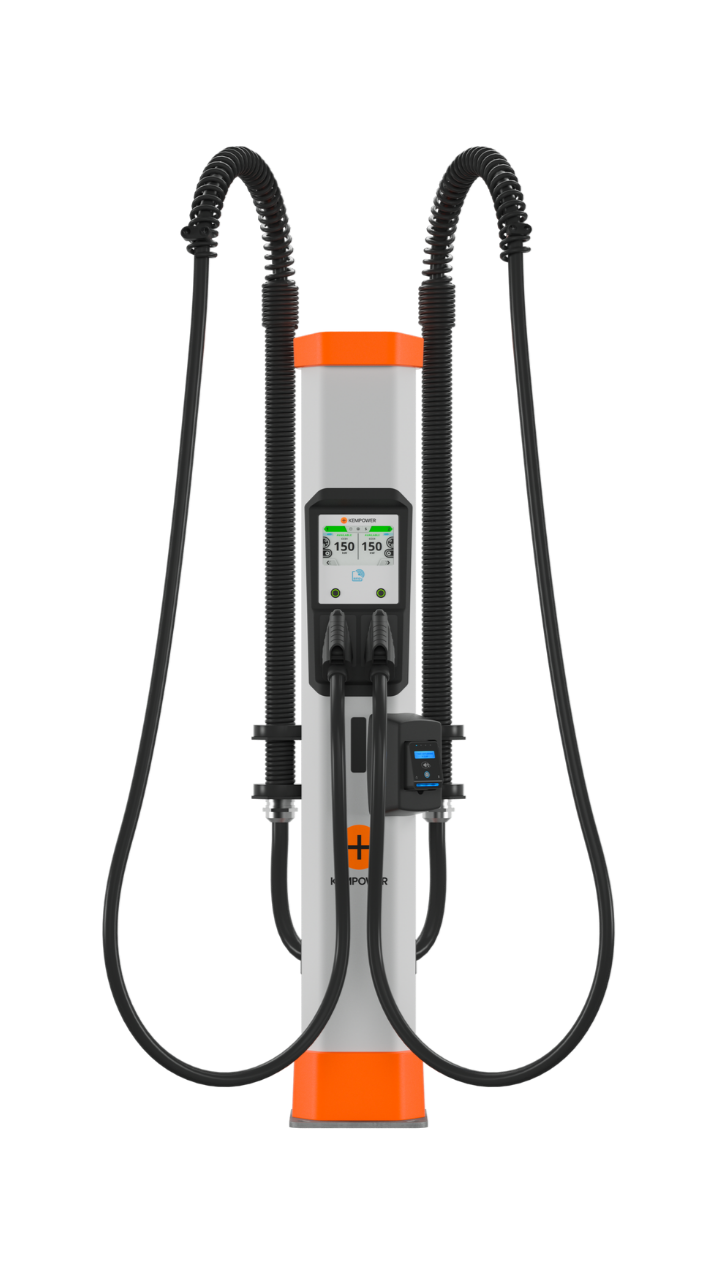
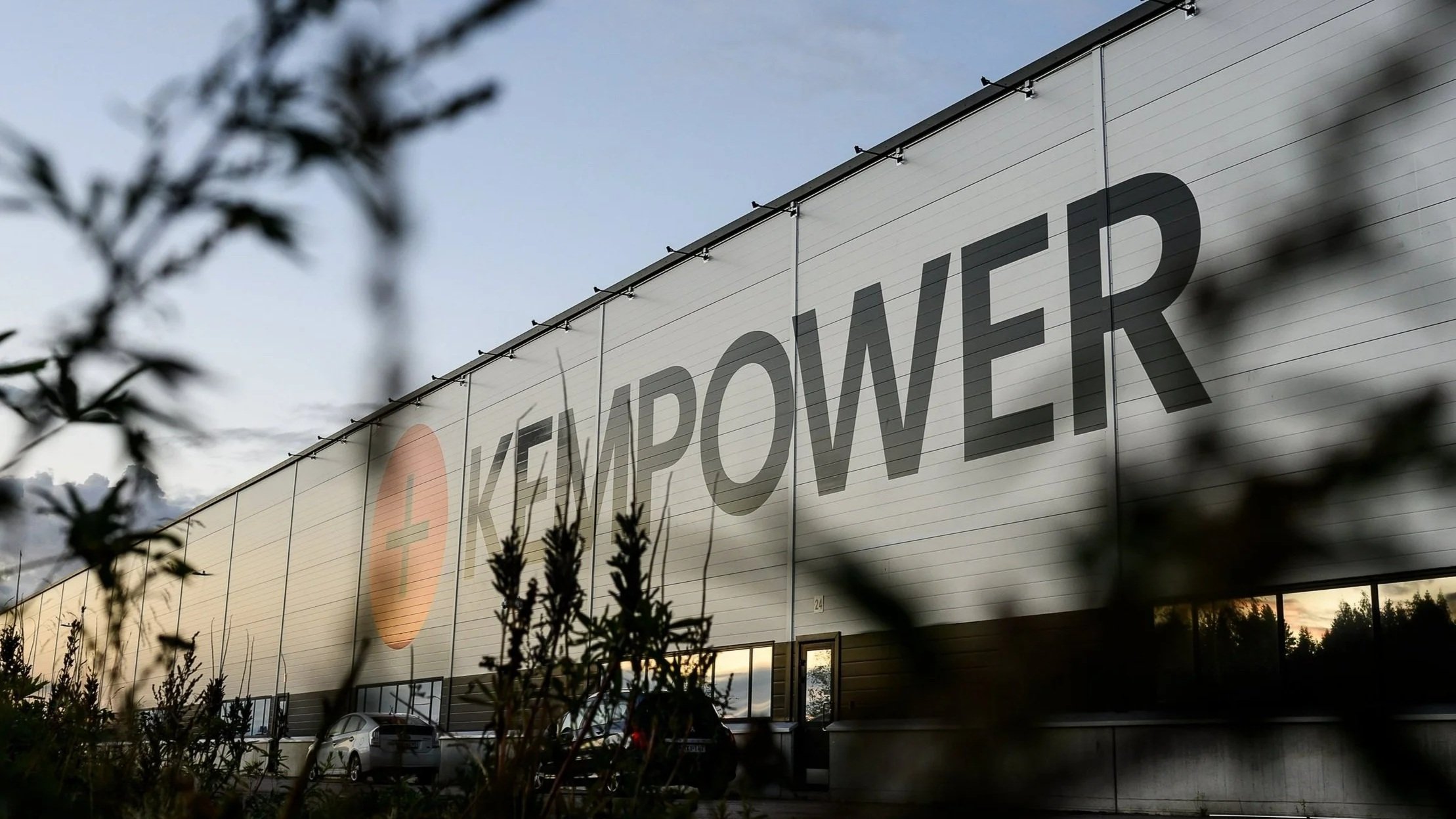
In California, the non-networked stations available on the newly awarded state contract are Kempower units and they’re ideal for these situations. Originally from Finland, most Kempower units are produced in the company’s newly opened plant in Durham, North Carolina. They are known worldwide for their stellar 99% uptime performance. Couple this with ChargerHelp!, the nation's leading charger O&M provider (for those rare emergencies) and fleet managers are nearly guaranteed to have their “fueling systems” continually running.
“We recommended Kempower for California because of their quality, small footprint and modularity,” Jim Burness, the CEO and founder of National Car Charging, shared. “They’re ideal because of their unprecedented uptime and their ability to withstand California’s climate extremes. They are extremely versatile and can charge a wide variety of vehicles including cars, medium and heavy trucks, school and transit buses, heavy equipment, emergency vehicles, watercraft and more.”
In addition to dollars, this scenario saves time and manpower with less oversight needed to manage and coordinate around down stations - which can be invaluable, especially with so many fleet operators being taxed with overseeing and straddling two distinct fleets (ICE and EV) through the course of this multi-year electrification transition.
Making your budget go further.
“Experience has taught us that no two situations are the same, which is why at National Car Charging, we carry such a robust selection of highly vetted EV charging solutions,” Burness shared. “We want to deliver the most effective solution for each of our clients. That means we select the right product for each job rather than offering one solution because it is all we have in our portfolio.”
Ultimately, the choice to install smart or non-networked 'behind-the-fence' fleet charging stations really depends on your specific needs, goals and use case. However, for governments, nonprofits, and educational institutions working hard to stretch their dollars, non-networked DCFC is a great cost saving solution that continues to provide rich analytics through existing fleet telematics without sacrificing charging speed, durability quality or uptime. It’s a win-win all around.

Choosing the Right EV Charging Partner Matters—Especially Under California’s DGS Contract.

When compliance, timelines, and long-term performance matter, your EV charging partner makes all the difference.
National Car Charging (NCC) is an approved provider under the California Department of General Services (DGS) contract, giving public agencies a fast, compliant path to procure non-networked DC fast charging infrastructure—without issuing a standalone RFP.
Why agencies choose NCC:
14+ years of EV charging experience
Real-world expertise designing, installing, and supporting public-sector charging infrastructure.13,000+ charging ports installed nationwide
Proven performance across state and local agencies, higher education, campuses, and fleets.Multiple cooperative contracts for maximum flexibility
In addition to DGS, NCC is approved through Sourcewell, NASPO ValuePoint, E&I, PCA, Equalis and more, giving agencies multiple compliant purchasing options aligned with internal policies and funding sources.Brand-agnostic, best-fit solutions
We help you select the right charging equipment for your site, fleet, and goals—without being locked into a single manufacturer.Straightforward, execution-focused delivery
Clear guidance. Thoughtful planning. Projects that move forward smoothly.
The result: EV charging projects that are compliant, manageable, and built to perform—supported by a partner that brings clarity and confidence at every step.
Ready to move forward? Call NCC at 866-996-6387 to explore next steps under the DGS contract.


Let’s make EV charging easier.
Connect with Amy Mullet, NCC’s California EV charging expert, who’s happy to walk you through the DGS contract and other cooperative purchasing options and help you move your project forward quickly, confidently, and compliantly.
Contact Amy at 858-255-9041 or amullett@nationalcarcharging.com.